A new national clinical trial will investigate genetic and environmental causes of breast cancer by enrolling 50,000 sisters of women already diagnosed with the disease. The Sister Study, conducted by the National Institute of Environmental Health Sciences, part of the US government's National Institutes of Health, is the largest trial of its kind.

``By studying sisters who share the same genes, often had similar experiences and environments, and are at twice the risk of developing breast cancer, we have a better chance of learning what causes this disease,'' Dr. Dale Sandler, the study's principal investigator, said in a statement Monday.

The sisters who volunteer will donate blood, urine, toenails - even household dust - to help uncover how daily rituals and routines, as well as genetics, factor into breast cancer risk.

``Genes are important, but they don't explain it all,'' said Sandler, chief of the epidemiology branch at the environmental health institute. ``The truth is that only half of breast cancer cases can be attributed to known factors.''

For instance, BRCA1 and BRCA2 are genes that normally limit cell growth. Women who inherit an altered version of either gene have a higher risk of getting breast or ovarian cancer. BRCA1 and BRCA2, however, are implicated in just 5 percent to 10 percent of breast cancer cases.

Breast cancer is the second most commonly diagnosed cancer in women, after skin cancer. Some 215,990 American women will be diagnosed with breast cancer this year, according to the American Cancer Society. The disease will kill about 40,110 American women in 2004, according to the Centres for Disease Control and Prevention.

To be eligible for the study, women need to be between 35 and 74 years old. Women who have not been diagnosed with breast cancer are eligible if a sister, living or dead, has had breast cancer. The women will be tracked for 10 years so researchers can study what links the few who get breast cancer compared with the majority who do not.

The study began as a pilot in Arizona, Florida, Illinois, Missouri, North Carolina, Ohio, Rhode Island and Virginia.

Dottie Sterling, a volunteer in Ohio, joined when asked by her youngest sister, Wish Martin, a breast cancer survivor in Maryland. ``My sister has been a breast cancer survivor for more than 13 years and I could not be more proud,'' Sterling said in a statement. ``I see joining the Sister Study as my tribute to her strength and her faith.''

Patricia Bango, a volunteer in Virginia, joined the study in memory of her sister, Sally, who died from breast cancer. ``I know her hope would have been that these efforts will help researchers find out what causes breast cancer,'' Bango said.

On the Net:
National Cancer Institute: http://www.nci.nih.gov/cancertopics/types/breast - AP

Doctors are reporting two advances that may give women with cancer safer ways to preserve their ability to have children without compromising their chances of beating the disease.

One involves a new way to help women store eggs before having cancer treatments that often leave them infertile. The other is a very sensitive method for checking frozen ovarian tissue for abnormal cells that could seed a relapse of cancer if transplanted back into a woman who finished treatment and wanted to have a child.

In a medical first, a Belgian woman recently gave birth after an ovarian-tissue transplant. But doctors have long worried that such tissue might harbor microscopic disease. And, infact, the new research found signs of cancer in ovarian tissue that two cancer patients had hoped to freeze. Both studies were presented Monday at a meeting of the American Society for Reproductive Medicine, which issued new guidelines saying that freezing eggs and ovarian tissue are promising but experimental options that should be offered only to cancer patients through programs that ensure they understand the risks.

Neither technique should be marketed or offered as a means to defer reproductive aging in healthy women, the guidelines say. At least one business is offering to freeze eggs as for 12,000 ($15,000) as a biological insurance policy for women worried about wanting a baby after they are too old to have one.

Preserving fertility has become a big issue as more young women survive cancer. About 50,000 women under 40 are diagnosed with cancer each year in the United States, and many get radiation or chemotherapy that damages their ovaries. In a survey reported Friday in the Journal of Clinical Oncology, three out of four breast cancer patients asked their doctors how treatment would affect their fertility, and one in three reported that it affected the kind of treatment they chose.

Some women want to bank eggs or embryos before their ovaries are damaged, but hormones that spur ovulation are not considered safe for them because they raise estrogen, which makes many tumors grow. Dr. Kutluk Oktay of Cornell University tested two breast cancer treatment drugs - tamoxifen and letrozole - to try to blunt the estrogen spike.

A group of 32 breast cancer patients got either tamoxifen alone or tamoxifen or letrozole plus a low dose of the stimulating hormone. Thirty-three other breast cancer patients not seeking to freeze eggs were used for comparison.

Women who got either drug plus the hormone produced three to four times more eggs than those who got tamoxifen alone. Letrozole seemed to be better, because it also kept estrogen levels low, Oktay said.

Longer follow-up is needed, but after a year and a half, the breast cancer recurrence rate was similar - three women in the comparison group and three in the drug group developed tumors. None of the women on letrozole did.

``It appears this is a safer method,'' said Dr. Marian Damewood, a University of Pennsylvania obstetrician who heads the infertility group and had no role in the research.

Letrozole is sold as Femara by Novartis, though no drug company funded the study - women paid for their own treatment. Meanwhile, doctors reported cautionary developments in using ovarian transplants to overcome cancer-related infertility. In this approach, tissue is removed and frozen before cancer treatment and transplanted back after treatment ends. Eggs are collected from the tissue and fertilized in a lab dish, and the resulting embryos are implanted to try to achieve pregnancy.

Usually the ovarian tissue is given just standard microscope evaluation to look for cancer cells. But Dr. Dror Meirow of Sheba Medical Center in Tel Aviv, Israel, reported that DNA analysis revealed signs of previously undetected cancer in two cases - a 38-year-old Israeli woman with breast cancer, and a woman in her 20s with leukemia who had flown to Israel from the United States hoping to have a transplant.

Certain cancers are more likely to have spread to ovarian tissue than others according to Dr. Marc Fritz, a University of North Carolina at Chapel Hill obstetrician who led the panel that developed the reproductive medicine group's new guidelines.

The risk is high for leukemia, moderate for breast cancer and rare in most lymphomas and cervical cancers, ``but there have been so very few such cases, it's been next to impossible to quantify,'' Fritz said.

Oktay, who reported the first embryo created from frozen ovarian tissue in 1999, said he believes the risk is very slim and not enough to justify the added cost of DNA testing.

Meirow said money would matter little to women who already defeated cancer once and would not want to face it again. The more sensitive DNA testing ``is not done anywhere, and it should be mandatory,'' he said.

Meirow's research also has implications for young boys with cancer, who are not able to bank sperm before cancer treatment, as men can do. Testicular tissue has been frozen in some cases, but experts said they are unaware of any attempts to transplant it and restore sperm production in males after cancer treatment. - AP

A local pharmaceutical company has discovered herbal-based extracts with medicinal properties to kill cancer cells. Autoimmune Sdn Bhd intends to develop the extracts into a prescriptive medicine for breast cancer in two years.

A test conducted by Universiti Putra Malaysia, as an independent third party, confirmed the extracts had in-vitro (artificial environment) anti-cancer activities against a panel of human cancer cell lines representing breast, lung and prostate cancer. "We have identified the most potent extracts (codenamed ASB001). Autoimmune is proceeding to verify the extracts' potency via "in vivo" (animal) xenograft test to confirm anti-breast tumour activities," Autoimmune Managing Director Patriek Yeoh told reporters here Thursday.

He said the extracts had been sent for analysis to a laboratory in Taiwan and the results are expected in two months. "Thereafter, we will proceed with a pilot clinical trial upon identification of a suitable trial centre and approval from the relevant authorities," he said.

Meanwhile, Dr Johnson Stanslas of Biomedical Sciences from Medicine and Health Sciences Faculty, UPM, said the university also did a preliminary toxicity study of ASB001 on mice and found that the extracts did not exhibit any toxicity at the recommended therapeutic dose.

Under an agreement signed by both parties in July , UPM was appointed to test and verify 35 of Autoimmune's herbal-based extracts for in-vitro anti-cancer potential.

Todate, UPM had finished testing nine of the samples.

Autoimmune is a phytopharmaceutical company which researches, discovers, extracts and formulates active compounds from plants to provide scientifically-backed alternatives to synthetically-manufactured pharmaceuticals. - Bernama
Source: http://www.utusan.com.my/

Scientists in Thailand are developing a medicine from sea squirts to treat breast cancer, the Thai news agency TNA reported Wednesday.

The report said Thai scientists are currently trying to transform a substance extracted from the marine life into a chemical that could be used as a medicine. The research should soon produce some concrete results, the President of the Pharmaceutical Association of Thailand, Dr. Suniphon Phummangkura told TNA.

The sea squirt is a marine animal found in abundant numbers around Thailand's coasts.

International science research has shown that the animal has a chemical substance that can block the growth of cancer cells in humans.

The Thai sea squirts have a higher amount of this substance than those found elsewhere in the world. Thai scientists are currently developing several treatment products and medicines from a variety of natural substances, including local herbs and marine life, said Dr. Suniphon. - Bernama

Source: http://www.utusan.com.my/utusan/archive.asp?y=2004&dt=1031&pub=
utusan_express&sec=discoveries&pg=di_04.htm&arc=hive

Rectal cancer

by unknown | 12:50 PM in |

Definition

The rectum is the portion of the large bowel that lies in the pelvis, terminating at the anus. Cancer of the rectum is the disease characterized by the development of malignant cells in the lining or epithelium of the rectum. Malignant cells have changed such that they lose normal control mechanisms governing growth. These cells may invade surrounding local tissue or they may spread throughout the body and invade other organ systems.

Description
The rectum is the continuation of the colon (part of the large bowel) after it leaves the abdomen and descends into the pelvis. Anatomically, it is divided into equal thirds; the upper, mid, and lower rectum. The pelvis and other organs in the pelvis form boundaries to the rectum. Behind, or more accurately, posterior to the rectum is the sacrum (the lowest portion of the spine, closest to the pelvis).
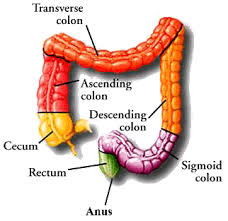
Laterally, on the sides, the rectum is bounded by soft tissue and bone. In front, the rectum is bounded by different organs in the male and female. In the male, the bladder and prostate are present. In the female, the vagina, uterus, and ovaries are present.

The upper rectum receives its blood supply from branches of the inferior mesenteric artery from the abdomen. The lower rectum has blood vessels entering from the sides of the pelvis. Lymph, a protein-rich fluid that bathes the cells of the body, is transported in small channels known as lymphatics. These channels run with the blood supply of the rectum. Lymph nodes are small filters through which the lymph flows on its way back to the blood stream. Cancer spreads elsewhere in the body by invading the lymph and vascular systems.

When a cell or cells lining the rectum become malignant, they first grow locally and may invade partially or totally through the wall of the rectum. The tumor here may invade surrounding tissue or the organs that bound it, a process known as local invasion. In this process, the tumor penetrates and may invade the lymphatics or the capillaries locally and gain access to the circulation in this way. As the malignant cells work their way to other areas of the body, they again become locally invasive in the new area to which they have spread. These tumor deposits, originating in the primary tumor in the rectum, are then known as metastasis. If metastases are found in the regional lymph nodes, they are known as regional metastases. If they are distant from the primary tumor, they are known as distant metastases. The patient with distant metastases may have widespread disease, also referred to as systemic disease. Thus the cancer originating in the rectum begins locally and, given time, may become systemic.

By the time the primary tumor is originally detected, it is usually larger than 1 cm (about 0.39 in) in size and has over a million cells. This amount of growth itself is estimated to take about three to seven years. Each time the cells double in number, the size of the tumor quadruples. Thus like most cancers, the part that is identified clinically is later in the progression than would be desired and screening becomes a very important endeavor to aid in earlier detection of this disease.

Passage of red blood with the stool, (noticeable bleeding with defecation), is much more common in rectal cancer than that originating in the colon because the tumor is much closer to the anus. Other symptoms (constipation and/ or diarrhea) are caused by obstruction and, less often, by local invasion of the tumor into pelvic organs or the sacrum. When the tumor has spread to distant sites, these metastases may cause dysfunction of the organ they have spread to. Distant metastasis usually occurs in the liver, less often to the lung(s), and rarely to the brain.

There are about 36,500 cases of rectal cancer diagnosed per year in the United States. Together, colon and rectal cancers account for 10% of cancers in men and 11% of cancers in women. It is the second most common site-specific cancer affecting both men and women. (Lung cancer is the first affecting both men and women, breast is the leader in women and prostate the leader in men.)
About 8,500 people died from rectal cancer in the United States in 2000. In recent years the incidence of this disease is decreasing very slightly, as has the mortality rate. It is difficult to tell if the decrease in mortality reflects earlier diagnosis, less death related to the actual treatment of the disease, or a combination of both factors.

Cancer of the rectum is felt to arise sporadically in about 80% of those who develop the disease. 20% of cases are felt to have genetic predisposition that ranges from familial syndromes affecting 50% of the offspring of a mutation carrier, to a risk of 6% when there is just a family history of rectal cancer occurring in a first-degree relative. Development of rectal cancer at an early age suggests a genetically transmitted form of the disease as opposed to the sporadic form.

Causes and symptoms
Causes of rectal cancer are probably environmental in the sporadic cases (80%), and genetic in the heredity-predisposed (20%) cases. Since malignant cells have a changed genetic makeup, this means that in 80% of cases, the environment spontaneously induces change. In those born with a genetic predisposition, they are either destined to get the cancer, or it will take less environmental exposure to induce the cancer. Exposure to agents in the environment that may induce mutation is the process of carcinogenesis and is caused by agents known as carcinogens. Specific carcinogens have been difficult to identify; dietary factors, however, seem to be involved.

Rectal cancer is more common in industrialized nations, and dietary factors are thought to be related to this observation. Diets high in fat, red meat, total calories, and alcohol seem to predispose. Diets high in fiber are associated with a decreased risk. The mechanism for protection by high-fiber diets may be related to less exposure of the rectal epithelium to carcinogens from the environment as the transit time through the bowel is faster with a high-fiber diet than with a low-fiber diet. Age plays a definite role in the predisposition to rectal cancer. Rectal cancer is rare before age 40. This incidence increases substantially after age 50 and doubles with each succeeding decade.

There is also a slight increase risk for rectal cancer in the individual who smokes.

Patients who suffer from an inflammatory disease of the colon known as ulcerative colitis are also at increased risk.

In regards to genetic predisposition, on chromosome 5, there is a gene called the APC gene associated with familial adenomatous polyposis (FAP) syndrome. There are multiple different mutations that occur at this site, yet they all cause a defect in tumor suppression that results in early and frequent development of colon cancer. This genetic aberration is transmitted to 50% of offspring and each of those affected will develop colon or rectal cancer, usually at an early age. Another syndrome, hereditary non-polyposis colon cancer (HNPCC), is related to mutations in any of four genes responsible for DNA mismatch repair. In patients with colon or rectal cancer, the p53 gene is mutated 70% of the time. When the p53 gene is mutated and ineffective, cells with damaged DNA escape repair or destruction, allowing the damaged cell to perpetuate itself. Continued replication of the damaged DNA may lead to tumor development. Though these syndromes (FAP and HNPCC) have a very high incidence of colon or rectal cancer, family history without the syndromes is also a substantial risk factor. When considering first-degree relatives, history of one with colon or rectal cancer raises the baseline risk of 2% to 6%, the presence of a second raises the risk to 17%.

The development of polyps of the colon or rectum commonly precedes the development of rectal cancer. Polyps are growths of the rectal lining. They can be unrelated to cancer, pre-cancerous, or malignant. Polyps, when identified, are removed for diagnosis. If the polyp, or polyps, are benign, the patient should undergo careful surveillance for the development of more polyps or the development of colon or rectal cancer.

Symptoms of rectal cancer most often result from the local presence of the tumor and its capacity to invade surrounding pelvic structure:

* bright red blood present with stool

* abdominal distention, bloating, inability to have a bowel movement

* narrowing of the stool, so-called ribbon stools

* pelvic pain

* unexplained weight loss

* persistent chronic fatigue

* rarely, urinary infection or passage of air in urine in males (late symptom)

* rarely, passage of feces through vagina in females(late symptom)

Most of the symptoms are understood on the basis of obstruction or the invasion of surrounding pelvic anatomic structures. If the tumor is large and obstructing the rectum, the patient will not be evacuating stool normally and will get bloated and have abdominal discomfort. The tumor itself may bleed and, since it is near the anus, the patient may see bright red blood on the surface of the stool. Blood alone (without stool) may also be passed. Thus, hemorrhoids are often incorrectly blamed for bleeding, delaying the diagnosis. If anemia develops, which is rare, the patient will experience chronic fatigue. If the tumor invades the bladder in the male or the vagina in the female, stool will get where it doesn't belong and cause infection or discharge. (This condition is also rare.) Patients with widespread disease lose weight secondary to the chronic illness.

Diagnosis
creening evaluation of the colon and rectum are accomplished together. Screening involves physical exam, simple laboratory tests, and the visualization of the lining of the rectum and colon. The ways to visualize the epithelium are with x rays, (indirect visualization), and endoscopy, (direct visualization).

The physical examination involves the performance of a digital rectal exam (DRE). At the time of this exam, the physician checks the stool on the examining glove with a chemical to see if any occult (invisible), blood is present. At home, after having a bowel movement, the patient is asked to swipe a sample of stool obtained with a small stick on a card. After three such specimens are on the card, the card is then easily chemically tested for occult blood also. These exams are accomplished as an easy part of a routine yearly physical exam.

Proteins are sometimes produced by cancers and these may be elevated in the patients blood. When this occurs the protein produced is known as a tumor marker. There is a tumor marker for cancer of the colon and rectum; it is known as carcinoembryonic antigen, (CEA). Unfortunately, this may be made by other adenocarcinomas as well, or it may not be produced by a particular colon or rectal cancer. Therefore, screening by chemical analysis for CEA has not been helpful. CEA has been helpful in patients treated for colon or rectal cancer if their tumor makes the protein. It is used in a follow-up role, not a screening role.

Direct visualization of the lining of the rectum is accomplished using a scope or endoscope. The physician introduces the instrument into the rectum and is able to see the epithelium of the rectum directly. A simple rigid tubular scope may be used to see the rectal epithelium; however, screening of the colon is done at the same time. The lower colon may be visualized using a fiberoptic flexible scope in a procedure known as flexible sigmoidoscopy. When the entire colon is visualized, the procedure is known as total colonoscopy. Each type of endoscopy requires pre-procedure preparation (evacuation) of the rectum and colon.

The American Cancer Society has recommended the following screening protocol for those over 50 years:

* yearly digital rectal exam with occult blood in stool testing

* flexible sigmoidoscopy at age 50

* flexible sigmoidoscopy repeated every five years

If there are predisposing factors such as positive family history, history of polyps, or a familial syndrome, screening evaluations should start sooner.

Evaluation of patients with symptoms

When patients visit their physician because they are experiencing symptoms that could possibly be related to colon or rectal cancer, the entire colon and rectum must be visualized. Even if a rectal lesion is identified, the entire colon must be screened to rule out a syndromous polyp or cancer of the colon. The combination of a flexible sigmoidoscopy and double contrast barium enema may be performed, but the much preferred evaluation of the entire colon and rectum is that of complete colonoscopy. Colonoscopy allows direct visualization, photography, as well as the opportunity to obtain a biopsy, (a sample of tissue), of any abnormality visualized. If, for technical reasons the entire colon is not visualized endoscopically, a double contrast barium enema should complement the colonoscopy. A patient who is identified to have a problem in one area of the colon or rectum is at greater risk to have a similar problem in area of the colon or rectum. Therefore the entire colon and rectum need to be visualized during the evaluation.

The diagnosis of rectal cancer is actually made by the performance of a biopsy of any abnormal lesion in the rectum. Many rectal cancers are within reach of the examiner's finger. Identifying how close to the anus the cancer has developed is very important in planning the treatment. Another characteristic ascertained by exam is whether the tumor is mobile or fixed to surrounding structure. Again, this will have implications related to primary treatment. As a general rule, it is easier to identify and adequately obtain tissue for evaluation in the rectum as opposed to the colon. This is because the lesion is closer to the anus.

If the patient presents with advanced disease, areas where the tumor has spread, such as the liver, may be amenable to biopsy. Such biopsies are usually obtained using a special needle under local anesthesia.

Once a diagnosis of rectal cancer has been established by biopsy, in addition to the physical exam, an endorectal ultrasound will be performed to assess the extent of the disease. For rectal cancer, endorectal ultrasound is the most preferred method for staging both depth of tumor penetration and local lymph node metastatic status. Endorectal ultrasound:

* differentiates areas of invasion within large rectal adenomas that seem benign

* determines the depth of tumor penetration into the rectal wall

* determines the extent of regional lymph node invasion

* can be combined with other tests (chest x rays and computed tomography scans, or CT scans) to determine the extent of cancer spread to distant organs, such as the lungs or liver

The resulting rectal cancer staging allows physicians to determine the need for-and order of-radiation, surgery, and chemotherapy.

Treatment
Once the diagnosis has been confirmed by biopsy and the endorectal ultrasound has been performed, the clinical stage of the cancer is assigned. The staging characteristics are utilized by the treating physicians to plan the specific treatment protocol for the patient. In addition, the stage of the cancer at the time of presentation gives a statistical likelihood of the treatment outcome, the prognosis.

Clinical staging
Rectal cancer first invades locally and then progresses to spread to regional lymph nodes or to other organs as noted in the description above. Using the characteristics of the primary tumor, its depth of penetration through the rectum, local invasion into pelvic structure, and the presence or absence of regional or distant metastases, stage is derived. A CT scan of the pelvis is very helpful here because the presence of invasion into the sacrum or pelvic sidewalls may mean that surgical therapy is not initially possible. On this basis, clinical staging is used to begin treatment. The pathologic stage is defined when the results of analyzing the surgical specimen are available for assigning stage, (typically stage I and II).

Rectal cancer is assigned stages I through IV, based on the following general criteria:

* Stage I: the tumor is confined to the epithelium or has not penetrated through the first layer of muscle in the rectal wall.

* Stage II: the tumor has penetrated through to the outer wall of the rectum or has gone through it, possibly invading other local tissue or organs.

* Stage III: Any depth or size of tumor associated with regional lymph node involvement.

* Stage IV: any of previous criteria associated with distant metastasis.

Surgery

The first, or primary, treatment modality utilized in the treatment of rectal cancer is surgery. Stage I, II, and even suspected stage III disease are treated by surgical removal of the involved section of the rectum along with the complete vascular and lymphatic supply. Most Stage II and Stage III rectal cancers (based on endorectal ultrasound, CT scan, and chest x ray) are treated with radiation and possibly chemotherapy prior to surgery.

A factor that needs to be considered when considering primary treatment for rectal cancer is the surgeon's ability to reconnect the ends of the rectum. The pelvis is a confining space that makes the performance of the hook-up more difficult to do safely when the tumor is in the lower rectum. The upper rectum does not usually present a substantial problem to the surgeon restoring bowel continuity after the cancer has been removed. Mid-rectal tumors, (especially in males where the pelvis is usually smaller than a woman's), may present technical difficulties in hooking the proximal bowel to the remaining rectum. Technical advances in stapling instrumentation have largely overcome these difficulties. If the anastomosis, (hook-up), leaks postoperatively, infection will ensue and in the past was a major cause of complications in resection of rectal cancers. Today, utilizing the stapling instrumentation, a hook-up at the time of original surgery is much safer. If the surgeon feels that the hook-up is compromised or may leak, a colostomy may be performed. A colostomy is performed by bringing the colon through the abdominal wall and sewing it to the skin. In these cases the stool is thus diverted away from the hook-up, allowing it to heal and preventing the infectious complications associated with leak. Later, when the hook-up has completely healed, the colostomy can be taken down and bowel continuity thus restored.

Stapling devices have allowed the surgeon to get closer to the anus and still allow the technical performance of a hook-up but there are limits. It is generally felt that there should be at least three centimeters of normal rectum below the tumor or the risk of recurrence locally will be excessive. In addition, if there is no residual native rectum, the patient will not have normal sensation or control and will have problems with uncontrollable soilage, (incontinence). For these reasons, patients presenting with low rectal tumors may undergo total removal of the rectum and anus. This procedure is known as an abdominal-perineal resection. A colostomy is performed in the lower left abdomen and it is permanent.

Radiation
As mentioned, for many late stage II or stage III tumors, radiation therapy can shrink the tumor prior to surgery. The other roles for radiation therapy are as an aid to surgical therapy in locally advanced disease that has been removed, and in the treatment of certain distant metastases. Especially when utilized in combination with chemotherapy, radiation used postoperatively has been shown to reduce the risk of local recurrence in the pelvis by 46% and death rates by 29%. Such combined therapy is recommended in patients with locally advanced primary tumors that have been removed surgically. In the treatment of distant metastases, radiation has been helpful at reducing local effects from them, particularly in the brain.

Chemotherapy
Adjuvant chemotherapy, (treating the patient who has no evidence of residual disease but who is at high risk for recurrence), is considered in patients whose tumors deeply penetrate or locally invade (late stage II and stage III). If the tumor was not locally advanced, this form of chemotherapeutic adjuvant therapy may be recommended without radiation. This therapy is identical to that of colon cancer and leads to similar results. Standard therapy is treatment with 5-fluorouracil, (5-FU) combined with leucovorin for a period of six to 12 months. 5-FU is an antimetabolite and leucovorin improves the response rate. Another agent, levamisole, (which seems to stimulate the immune system), may be substituted for leucovorin. These protocols reduce rate of recurrence by about 15% and reduce mortality by about 10%. The regimens do have some toxicity but usually are tolerated fairly well.

Similar chemotherapy is administered for stage IV disease or if a patient progresses and develops metastasis. Results show response rates of about 20%. A response is a temporary regression of the cancer in response to the chemotherapy. Unfortunately, these patients eventually succumb to the disease. Clinical trials have now shown that the results can be improved with the addition of another agent to this regimen. Irinotecan does not seem to increase toxicity but it improved response rates to 39%, added two to three months to disease free survival, and prolonged overall survival by a little over two months.

Alternative treatment
Alternative therapies have not been studied in a scientific way so it is very difficult to make any recommendation. Large doses of vitamins, fiber, and green tea are among therapies tried. Before initiating any alternative therapies, the patient is wise to consult his/her physician to be sure that these therapies do not complicate or interfere with the recommended therapy.

Prognosis
Prognosis is the long-term outlook or survival after therapy. Overall, about 50% of patients treated for colon and rectal cancer survive the disease. As expected, the survival rates are dependent upon the stage of the cancer at the time of diagnosis, making early detection a very worthwhile endeavor. About 15% of patients present with stage I disease, or are diagnosed with Stage I disease when they initially visit a doctor, and 85-90% survive. Stage II represents 20-30% of cases and 65-75% survive. 30-40% comprise the stage III presentation of which 55% survive. The remaining 20-25% present with stage IV disease and are very rarely cured.

Prevention

There is not an absolute way of preventing colon or rectal cancer. Still there is a lot that an individual can do to lessen risk or to identifiy the precursors of colon and rectal cancer so that it does not manifest itself. The patient with a familial history can enter screening and surveillance programs earlier than the general population. High-fiber diets and vitamins, avoiding obesity, and staying active lessen the risk. Avoiding cigarettes and alcohol may be helpful. By controlling these environmental factors, an individual can lessen risk and to this degree prevent the disease.

By undergoing appropriate screening when uncontrollable genetic risk factors have been identified, an individual may be rewarded by the identification of benign polyps that can be treated as opposed to having these growths degenerate into a malignancy.

Adenocarcinoma
Type of cancer beginning in glandular epithelium.

Adjuvant therapy
Treatment involving radiation, chemotherapy (drug treatment), or hormone therapy, or a combination of all three given after the primary treatment for the possibility of residual microscopic disease.

Anastomosis
Surgical re-connection of the ends of the bowel after removal of a portion of the bowel.

Anemia
The condition caused by too few circulating red blood cells, often manifest in part by fatigue.

Carcinogens
Substances in the environment that cause cancer, presumably by inducing mutations, with prolonged exposure.

Defecation
The act of having a bowel movement.

Epithelium
Cells composing the lining of an organ.

Lymphatics
Channels that are conduits for lymph.

Lymph nodes
Cellular filters through which lymphatics flow.

Malignant
Cells that have been altered such that they have lost normal control mechanisms and are capable of local invasion and spread to other areas of the body.

Metastasis
Site of invasive tumor growth that originated from a malignancy elsewhere in the body.

Mutation
A change in the genetic make up of a cell that may occur spontaneously or be environmentally induced.

Occult blood
Presence of blood that cannot be appreciated visually.

Polyps
Localized growths of the epithelium that can be benign, pre-cancerous, or harbor malignancy.

Resect
To remove surgically.

Sacrum
Posterior bony wall of the pelvis.

Systemic
Referring to throughout the body.

For Your Information

Books

* Abelhoff, Martin, MD, James O. Armitage MD, Allen S. Lichter MD, and John E. Niederhuber MD. Clinical Oncology Library. Philadelphia: Churchill Livingstone, 1999.

* Jorde, Lynn B., PhD, John C. Carey MD, Michael J. Bamshad MD, and Raymond L. White, PhD. Medical Genetics, Second Edition. St. Louis: Mosby, 1999.

* Kirkwood, John M., MD, Michael T. Lotze MD, Joyce M. Yasko PhD. Current Cancer Therapeutics, Third Edition. Philadelphia: Churchill Livingstone, 1998

Periodicals

* Greenlee, Robert T., PhD, MPH, Mary Beth Hill-Harmon, MSPH, Taylor Murray, and Michael Thun, MD, MS. "Cancer Statistics 2001." CA: A Cancer Journal for Clinicians, 51, no. 1 (Jan/Feb 2001).

* Saltz, Leonard, et al. "Irinotecan plus Fluorouracil and Leucovorin for Metastatic Colorectal Cancer." The New England Journal of Medicine 343, no. 13 (September 28, 2000).

Organizations

* American Cancer Society. 1599 Clifton Road NE, Atlanta, GA 30329. (800)ACS-2345. http://www.cancer.org.
* Cancer Information Service of the NCI. 9000 Rockville Pike, Building 31, Suite 10A18, Bethesda, MD 20892. 1-800-4-CANCER. http://wwwicic.nci.nih.gov.

Other

* National Cancer Institute Clinical Trials. http://www.cancertrials.nci.nih.gov.
* Colon Cancer Alliance. http://www.ccalliance.org.

The Essay Author is Richard A. McCartney MD.

Source:http://www.healthatoz.com/healthatoz/Atoz/common/standard/
transform.jsp?requestURI=/healthatoz/Atoz/ency/rectal_cancer.jsp

Sexuality and Cancer Treatment

by unknown | 11:21 AM in |

You will not believe this statement that cancer treatment might affect one’s sexual life. But this is true. Studies have shown that operation done to treat cancer damages some nerves and that leads to impotence or Erectile Dysfunction. In the beginning you won’t realize what the problem is and slowly- slowly problem becomes really severe. To get rid of one problem you will have to face other problem if the doctor is not good.

Impotence after some cancer treatments:
a) Pelvic
b) Bladder cancer
c) Colon cancer
d) Prostate cancer
e) Rectal cancer

If you have been operated or are going under treatment for above mentioned cancer than you are more likely to suffer from ED.

Older men, especially those over 60, are more likely to experience sexual dysfunction after cancer treatment. Older men experience difficulty with sex at some point. So older men who've had cancer treatment may experience sexual side effects related to aging, rather than treatment.

The various side effects after cancer treatment are:
§ Inability to achieve or maintain an erection (erectile dysfunction)
§ Difficulty climaxing
§ Orgasm without discharge of semen (dry orgasm)
§ Weaker, less satisfying orgasms
§ Loss of libido
§ Pain during sex

It is not confirmed that everyman will get affected by Ed after Cancer treatment. A Doctor after examining can tell the level of risk a man will face.

Various treatments for cancer and there effects on sexuality:
1. Surgery: If a person has tumor in pelvic area than doctor should work carefully for treating this problem as he can damage nerves and it will lead to ED.

2. Radiation therapy: Radiation therapy used at pelvic region also causes ED. Radiation damages nerves and blocks blood flow to the penis. Excess of radiation rays is harmful for human beings and body parts.

3. Hormone Therapy: This therapy is used in treating severe prostate cancer. Prostate cancer relies on hormones for fuel. Sometimes it shows more side effects in some men in comparison to others.

4. Chemotherapy: After getting chemotherapy some people face loss of libido and lo sexual desire. This therapy also reduces the amount of testosterone body produces. But after getting treated from this therapy one regains sexual function.

If you are facing any of the problems than consult your doctor, he will tell what to do and how much time it’s going to take for healing. But don’t loose hope you will get your sexual life back later or sooner. To know more about this disease and its causes visit http://www.cialismagic.com

About the Author (Antony Virgese):
I am working from last 2 years as an Internet Researcher. My functional area is Men's Health Male Impotence and Erectile Dysfunction but now I am working on other health related issues like Cancer Weight Loss Mental Health and other Health related issues.

Breast Cancer: Make Early Decision Please!

by unknown | 9:15 AM in |

The goal of therapy for early-stage breast cancer is cure, and there are many ways to get there. Different treatment choices will often be associated with different side effect profiles, and that's where we have to have a long discussion weighing the risks and benefits of different approaches.For early-stage breast cancer, most people will say they're willing to put up with fairly substantial side effects in the short run because their hope is that they will never hear from the cancer again.

If we're going to think of a scale, it will be tipped towards more toxicity for more benefit. When we're treating advanced cancer, however, the scale may be tipped the other way. People may not want to deal with a whole lot of toxicity or give up quality of life for very marginal benefits. So these are the kinds of decisions that come into play.

What's the goal of surgery for a woman who has early-stage disease?
For early-stage disease, the goal of surgery is to remove all of the cancer with clear margins around it and to determine the risk of spread by looking at the status of the lymph nodes under the armpit.
In the early days of breast cancer surgery, the procedure of choice was a mastectomy. But the National Surgical Adjuvant Breast and Bowel Project (NSABP) conducted a series of randomized studies that showed that just as many women could be cured with a lumpectomy and radiation therapy as could be cured with mastectomy. Women who choose lumpectomy need the radiation because it lowers the risk of local recurrence in the breast.Does everyone require radiation therapy after lumpectomy?
There is a movement afoot to look very carefully at some subgroups of people who may not need radiation after a lumpectomy. For example, researchers are looking at women with DCIS (ductal carcinoma in situ), which is a precancer that remains confined to the ducts, so we don't call it an invasive cancer. It does not have the potential, that we know of, to spread distantly beyond the breast.
As the degree of invasiveness of the cancer goes down and as the age of the patient goes up, the risk of recurrence is lower. Hence, the potential gains from radiation may be smaller.


How do women decide between mastectomy and lumpectomy?
The choice of mastectomy vs. lumpectomy is a fairly difficult one for some people. On the one hand, the mastectomy is over with quickly. You can choose to do reconstruction right away or at a later date. On the other hand, the lumpectomy allows you to preserve the breast, but generally requires four to six weeks of postoperative radiation therapy five days a week.

Some variables are technical. For example, if there is a large cancer in a small breast and the cosmetic result of a lumpectomy will be unacceptable, doctors and patients may select mastectomy. But there can be a large cancer in a woman with a very large breast that's amenable to lumpectomy.
In addition, patients who live far from a radiation center, who have economic issues with coming for treatment every day, may elect to have a mastectomy simply so they're not having to come to the hospital for six weeks for daily treatments. So there are many factors that can influence this decision and not all of them are medical.

Do women have a lot of anxiety over local recurrence following a lumpectomy?
I think there is a lot of anxiety over recurrence in the breast, although we try to counsel people that that's not the major issue. In the end, what matters is whether the cancer spreads throughout the body or not. In the rare case of a local recurrence in the preserved breast, one can treat that with mastectomy.
Let's talk about the numbers for a minute. Say about 5 percent of the people with a lumpectomy and radiation therapy ultimately end up with an in-breast local recurrence, which is 1 in 20. That means 1 in 20 ends up with a mastectomy because of a recurrence and that 19 in 20 get to avoid mastectomy.
So it really comes down to a question of what matters to the individual patient.Still, there are many patients for whom the yearly mammogram and maybe MRI and physical exam is anxiety provoking, and some of those people will elect bilateral mastectomy instead. But for most patients, preserving the breast seems to be the priority, and they're willing to put up with this small risk of local recurrence in exchange for the benefits of keeping their breast.

What is the goal of adjuvant (post-surgical) therapy?
The goal of adjuvant therapy is to kill cancer cells that might have spread beyond the breast and lymph nodes before the surgery took place. They're out and about in the body, and we don't have a way of identifying exactly where they are so we have to treat with medicines that circulate throughout the body and kill cancer cells wherever they may be.

How much does chemotherapy reduce risk of recurrence?
Chemotherapy across the board lowers the annual rate of recurrence by about 24 percent. And this adds up, depending on the absolute risk of a patient, to roughly a one-fifth to one-quarter or slightly better reduction in risk at five years. That's the average for old chemotherapy regimens like CMF (Cytoxan, methotrexate and fluorouracil). Most modern chemotherapy regimens that work better than CMF will obviously offer even greater advantage.


How is someone's personal benefit from chemotherapy assessed?
Chemotherapy decision-making is really challenging for everybody involved. We first have to ask ourselves what's the benefit of chemotherapy generally. Then we have to apply that to the individual patient, which means calculating her individual risk of recurrence.
Once we get into that discussion, adjuvant chemotherapy is not generally recommended unless women will likely reduce their risk of recurrence with chemotherapy by at least 1 percent. Some people will set it even higher. Clinicians often set it at 2 or 3 percent, but patients surveyed after treatment typically set it at 1 percent.
When we talk about these small benefits of 1, 2 or 3 percent, we're talking about prevention of recurrence at five years. That's the threshold that most people are focused on. If you took 10 years, of course, the benefits would be larger because risk reduction with chemotherapy improves each year. So it's often a question of how young you are. A woman who's 85 years old, and facing a very high risk of breast cancer recurrence, might decide chemotherapy is not worth it because her overall probability of living much beyond 90 is limited. Her chance of dying of another disease is high. But a 30-year-old, even looking at a very small difference at five years, might decide it's easily worth it, because she can extrapolate out to 10 years and 15 years and 20 years.How do you balance the benefits of chemotherapy with the side effects?

People are very worried about the side effects of chemotherapy. In fact, often they're more focused on the side effects than the potential benefits. The side effects traditionally included hair loss, nausea and vomiting, risk of infection, fatigue.

But the last 10 years have been exciting, not only because of better therapies, but also because of better ways of treating the side effects and supporting people through their therapy. We have much better anti-nausea medicines, for example, so vomiting has now become relatively rare. One of the things we still struggle with is fatigue. We don't have a direct way to deal with the fatigue that's common with chemotherapy. And we don't have a way to deal with the hair loss that occurs.

Then there are the life-threatening side effects that are long term, such as leukemia or heart failure. They are, thankfully, very rare. They are in many cases associated with specific drugs, and we may reserve the use of those drugs for very high-risk situations where the benefits of therapy dramatically outweigh those risks.
In the last few years, we've developed chemotherapy regimens that have fewer of these side effects and are, in many cases, shorter than traditional therapy, so the duration of these side effects can be shortened, as well.

What are the hormone therapy choices?

If a breast cancer has estrogen and progesterone receptors, which means that these hormones may fuel the growth of these cancers, the treatment options are broader. Tamoxifen, of course, is the gold standard, and this drug is given to women with hormone-responsive breast cancer. It attaches to the estrogen receptor and deprives the cancer of a needed hormone. It thereby starves the cancer cell of a needed nutrient, if you will. The aromatase inhibitors do this by shutting off the residual production of estrogen at sites outside the ovaries. But they're in a sense doing the same thing as tamoxifen.

How much risk reduction is associated with hormone therapy?
Tamoxifen given for five years to women with hormone-responsive breast cancer lowers the risk of recurrence by 40 percent per year, and the overall benefit will be close to a one-third reduction in risk. There is no consistent evidence of benefit with tamoxifen beyond five years. In addition, the risk of developing uterine cancer increases with more exposure, so after five years you get no additional benefit, but you keep adding risk.The last few years have given us new options in adjuvant hormone therapy for postmenopausal women. It now looks increasingly like substituting or switching to or following that tamoxifen with an aromatase inhibitor further improves outcome.
We have three large randomized trials as of May of 2004, all of which show the same thing: The risk of a recurrence of breast cancer in the breast or a recurrence of breast cancer outside the breast is more greatly reduced when a woman is on a aromatase inhibitor compared to tamoxifen.

How could a postmenopausal woman decide between hormone therapies?
Choosing between tamoxifen, the standard therapy, and one of the newer aromatase inhibitors still remains somewhat tricky. On the one hand, there is no question that the likelihood of events is reduced when you take one of these new drugs over the short run. The big question is what do they do to bone density because aromatase inhibitors significantly lower estrogen, and that decreases bone density.
On the other hand, tamoxifen has some fairly well-described short-term side effects like an increased risk of uterine cancer and aside from that, an increased risk of vaginal complaints like bleeding or discharge. And these things seem to be less of an issue with the aromatase inhibitors. There is also an increased risk of blood clots with tamoxifen, and maybe stroke and even heart attacks. So we have to consider all these issues carefully. Obviously a woman, for example, who has had her uterus removed, has taken away one of the concerns with tamoxifen.
Source:http://www.thebreastcancersite.com/cgi-bin/WebObjects/CTDSites

Hold your breast: Breastfeeding

by unknown | 9:30 PM in |

Colostrum is a special milk for the baby's early feedings. It is made by the milk glands starting early in pregnancy. It is thicker than other milk and just what your baby needs for the first few days. Colostrum is the perfect first food for your baby.

During the first 3-4 days your breasts will begin to feel fuller before feedings. The milk glands are changing from making colostrum to making milk. People say the milk is "coming in." The breasts are making MORE milk, because your baby is ready for more.

As the milk comes in, your breasts may become engorged (swollen). Most mothers feel heavier or fuller before feedings but do not get engorged. Breastfeeding at least every 2 - 3 hours during the day and at least once at night will help keep your breasts comfortable as your milk comes in.

When your baby is about two weeks old (or before), your breasts will get a little softer and smaller. This does NOT mean you have less milk. Your breasts are getting used to holding milk and are less swollen.

Let-Down
As your baby starts to nurse, your milk starts to flow. Several times during a feeding your milk glands release more milk. This is called let-down (or milk ejection reflex). The same hormone that causes the let-down makes your uterus contract (tighten). As your milk lets down, you may also feel your uterus cramp and have heavier vaginal bleeding. After the first few days, the uterus is smaller and you do not feel that cramping anymore. Some mothers feel a tingling or tightening in their breasts with the let-down at the start of each feeding. Some mothers do not feel the let-down but see their babies start to gulp as the milk comes faster.


Making Enough Milk
When you nurse as long and as often as your baby wants, you are telling your breasts how much milk to make. This is often called supply meets demand. Supply meets demand as long as you breastfeed, even when your baby is bigger. Your body makes as much milk as your baby is taking.
Holding Your Baby for Feedings

There are different ways you can hold your baby when breastfeeding. Choose the position that is most comfortable for you. If you have a c-section, you will probably want to use the football hold or lie down to nurse at first. That will keep the baby off your stomach. Football

Place a pillow or two at your side to raise the baby to the level of your breast. Put the baby on the pillow with her bottom and legs touching the back of the chair (like an "L"). Hold the baby's shoulders in the palm of your hand supporting the base of the baby's head. Use your other hand under the breast to keep it in the baby's mouth.

Across the Lap
Hold the baby's shoulders in the palm of your hand with your arm supporting the baby's bottom. Bring the baby across your lap. Use your other hand under the breast from the side to keep the nipple in the baby's mouth.


Cradle
Cradle the baby in your arm, his tummy against yours. The baby's head will be resting in the bend of your elbow. The baby's whole body is facing you, tummy-to-tummy. Use your other hand to support the breast.

Lying Down
Lie down on your side and pull the baby close to you so that you are facing each other. Some mothers place a pillow or rolled-up towel against the baby's back to keep the baby in position. A pillow behind your back may make you more comfortable. Help the baby latch on to the breast closest to the bed.

Getting Your Baby Latched On

Have pillows or folded blankets under the baby. The baby's hips need to be almost as high as the baby's head. This will help keep the baby's jaw relaxed to nurse without pinching your nipple. As your baby gets older you may not need this support, but it is very helpful at first.

Hold your baby close to you. The baby's ear, shoulder and hip should be in a straight line. Do not push the baby's head forward. Pushing the head makes it hard for the baby to swallow.

Hold your breast in one hand with your fingers underneath and thumb on top. Have your hand back from the areola (the dark skin around the nipple). Your hand should not get in the way as the baby latches on. The baby needs to get the nipple far back in the mouth to nurse so milk can flow easily.

Line up the baby's lips with your nipple. Touch the lips with your nipple until the baby's mouth opens wide. The baby is looking for something to suck. This is called rooting. Pull the baby quickly onto the breast. Once the baby starts sucking, you will feel a tug on your nipple. It should not hurt after the first few sucks.


If it hurts, start over. Put your finger in the baby's mouth between the gums and take your nipple out. Make sure the baby's mouth is wide open and the tongue is down before the baby latches on again. It is okay to start over several times.
Signs That Breastfeeding is Going Well Breastfeeding is going well for you and your baby when:
You feel a tug, but it does not hurt when the baby sucks.
Your baby swallows hard after a few strong sucks.
Your baby is content at the end of the feeding.
By 4 days old, your baby has at least 6 wet diapers, and 2-5 yellow bowel movements every 24 hours.
Your baby is gaining weight at each check-up.
These are other signs that you may see:
Your uterus may tighten during or after feedings the first few days after delivery.
You may feel sleepy or relaxed when your baby nurses.
You may notice that your breast softens as your baby nurses.
Your baby's arms and shoulders will relax during feeding.

by: Jon M. Stout

The thought itself is astounding: a way possibly exists to predict if a person could possibly contract bladder cancer in the future. In recent studies, debate is emerging in regards to one theory – that lifestyle choices and the impact of living life a certain way may be related to bladder cancer. A recent study by the Department of Preventive Medicine of Nagoya University School of Medicine indicates that there might, in fact, be a strong and credible link between lifestyle and bladder cancer.

The department studied 258 bladder cancer patients in order to determine if lifestyle choices played a role in allowing medical professionals to prognosticate the possibility that patients might be susceptible to bladder cancer. This was a follow-up study of patients who had suffered from bladder cancer in metropolitan Nagoya, Japan and were recruited for study. Their personal survival information was derived from a database that was maintained by the Nagoya Bladder Cancer Research Group.

After reviewing the tests and their results, researchers were able to pinpoint several key factors that impact the occurrence and reoccurrence of this type of cancer. Univariate analysis showed that there was a significant relationship between 5 year survivorship and the level of education a person possessed, their marital status, drinking habits, and the degree of green tea consumption in males. Additional factors were the age at which the cancer was diagnosed, the histological type and grade of the any tumors, the degree of metastasis, and the state of metastasis in both sexes.

The results were adjusted for age, stage, histology (histological type and grade), and distant metastasis by means of a proportional hazards model.The consumption of alcoholic beverages was also significantly associated with the prognoses of bladder cancer in males. The ratio of adjusted hazard was 0.46 with a 95% confidence interval of 0.26 – 0.79 among males that consumed alcoholic beverages.

Detailed analysis revealed that former drinkers and every level of current drinkers exhibited hazard ratios smaller than unity, although no correlation between dosage amounts was detectable. Other factors, such as smoking habits, uses of artificial sweeteners and hair dye, and consumption of coffee, black tea, matcha (powdered green tea), and cola were detected, leading one to believe that it is reasonable to conclude that drinking any type of beverage, not just alcohol, plays a significant role in the development or reoccurrence of bladder cancer.

The significance of this is vague in terms of prognosis, although that ratio seems to indicate that at least among those who participated in the study and were bladder cancer survivors, drinking alcohol is not a very good idea. Additionally, the study showed that the higher risk factor in regards to bladder cancer and males can be correlated directly to drinking in terms of reoccurrence propensity. If you are male and have had bladder cancer, along with dietary changes and other lifestyle choices, avoiding alcoholic beverages might increase the possibility of avoiding the sickness in the future.

This, however, is not, and should not be considered conclusive, but merely the very compelling result of one specific study. Also, the indication that other factors, such as smoking, did not seem to increase the risk of reoccurrence, should not be construed as rock solid justification for those behaviors.

For instance, the fact that smoking does not apparently increase the risk bladder cancer does not in any way obviate the fact that smoking has been risked to other diseases or maladies such as heart disease, lung cancer, strokes, or degradation of blood circulation. All of these conditions are just as life-threatening as bladder cancer.

One significant factor seems to be that dosage amounts of alcohol do not seem to correlate with the propensity of reoccurrence. In fact, this study seemed to show that among moderate to heavy drinkers, the reoccurrence rate was unaffected. If one were to take this at face value, one could conclude that any drinking at all increases the chances of bladder cancer coming back.

About The Author

Jon M. Stout is the Chairman of the Golden Moon Tea Company. Golden Moon Tea carefully selects the finest rare and orthodox teas, which are processed slowly and handcrafted with extreme care. At their website, you can learn more about their current tea offerings, including their exceptional green tea, white tea, black tea, oolong tea (also known as wu-long and wu long tea) and chai. Visit http://www.goldenmoontea.com for all details concerning the Golden Moon Tea Company's fine line of teas.

By: Hannah Jones

Breast cancer is the most common form of cancer women have to face during their lives. Worldwide, approximately one out of every nine women develops breast cancer and this condition is the second most fatal cancer for women, after lung cancer.

The usual suspects in such cases are ancestry, exposure to ionizing radiation and xenoestrogens that cause mutations in the DNA, while decreasing the body's capacity to repair the damage. However, there are other things that act as promoters of the disease, such as age, alcohol, artificial light and obesity.

Although many people would not think it possible, gaining weight, especially after the menopause, has a tremendous influence on the risk of developing breast cancer. An international team of scientists has recently found that losing 10 pounds between the ages of 18 and 30 lowers the risk of cancer by as much as 65%, while gaining 10 pounds increases the risk of developing cancer after the age of 40.

The international study was conducted on a group of 2,000 women carrying the BRCA1 and 2 genes and focused on their weight at the ages of 18, 30 and 40. What scientists found was that women who lost weight, especially after having given birth to children, had better chances of avoiding the mutation of genes that causes breast cancer.

Another important study has focused on the diet of women after breast cancer surgery. According to this study, women who had followed a low-fat diet saw a 24 percent decrease on average in the risk of breast cancer recurrence. The biggest boon went to women suffering from estrogen receptor negative cancer, who saw a 42 percent drop in the risk of recurrence.

For this reason doctors and oncology experts advise women to keep an eye on their weight, because letting things go out of hand could turn out to have fatal consequences later on. A low-fat diet, plenty of exercise and healthy foods are one of the best ways women can make life easier for themselves. A normal body weight helps fight cancer, diabetes, high blood pressure, heart disease and other conditions.

Staying lean through the years is not that hard, despite the fact that the common urban lifestyle does not encourage this. Obesity is a bigger and bigger threat to men and women alike and some health authorities have begun to speak of it as an epidemic.

Across the world, more and more people perform far too little physical effort compared to the daily intake of calories and more and more people are declared clinically obese every year. You can stop this trend in your life. It's enough to go outside more often and to be careful about what you eat. Yes, it's that simple.

Skin Cancer: Coming to a Face Near You

by unknown | 10:39 PM in |


There are over one million new cases of skin cancer diagnosed every year in the United States, representing about half of all cancers diagnosed in the country. And skin cancer on a dramatic increase. There are twice as many skin cancers in our population today as there were 20 years ago. Given this rate of increase, chances are about 50/50 that you will develop at least one skin cancer lesion if you live to age 70. This is especially true if you are fair-skinned. While skin cancer can occur in people of all races, those with lighter skin have a much higher risk because their skin contains less of the pigment melanin, which helps protect against an overdose of the sun's damaging ultraviolet rays, which can lead to skin cancer over time. The effect is apparently cumulative. A body of evidence also suggests that this also applies if you decide to go the "fake bake" route of the tanning salons.

Thankfully, most skin cancers, about 95 percent, are not life threatening. Skin cancer falls into two broad areas: basal-cell cancer / sqamous-cell cancer, and melanoma. The two most common of these cancers are the basal-cell and sqamous-cell carcinomas. These typically are easily treated, usually with surgery, and rarely lead to death. If neglected, however, over time, these can eventually lead to disfigurement and/or can spread with dire consequences. Only about 5 percent of all skin cancers are malignant melanomas, but these are far more dangerous and account for almost all deaths due to skin cancer. This aggressive form of cancer needs to be addressed immediately. Like most cancers, the risk of malignant melanomas will increase with age. If you feel you have developed any type of skin cancer be sure to see a dermatologist at once.

Most skin cancers, as one might imagine, occur on the face, neck and hands as these are the areas that receive the most exposure to the sun due to the fact that most of us wear clothes. These are also the areas that are most exposed to the view of others. As the usual AMA's (American Medical Association) approach to skin cancer is knife and needle, this can leave unsightly scars just where you might not want any.
But there are alternatives. Having had a number of non-melanoma skin cancers, I've had the opportunity to try both the AMA (have the scars to prove it) as well as several "alternative" approaches. The method of treatment that I've settled on is the herb Chaparral. Chaparral is a plant that grows in the deserts of the southwestern U.S. and has been used historically by the indigenous populations of the region for a number of ailments. Today, it can be found in powder form at most health food stores. A small bag is all one needs and only cost a few bucks. I make a paste by mixing the powder with wheat germ oil (also found at your local health food store) and apply it directly to the lesion. Then I cover it with a Band-Aid. I do this once in the morning (after my shower) and again in the evening for six or seven days- carefully removing the old paste with a Q-tip. The advantages I have found are as follows: No pain. Perhaps a slight tingling at first. .
As chaparral only targets the cancerous cells, without affecting the surrounding normal tissue, my skin can quickly begin to repair itself naturally after the cancer is gone leaving usually just a "new skin" pink spot for several months. And all this at a fraction of the cost of a surgical procedure.
If this all seems a bit strange to you, please understand that this is nothing new. There are a number of books that have been written that offer other non-evasive, less painful methods of treating basal cell and squamous cell skin cancers as well. I would recommend the book, The Skin Cancer Answer: The Natural Treatment for Basal and Sqamos-Cell Carcinomas and Keratoses. This book is priced right, easy to read and provides you with what many might feel is a better method of treatment. But check around- and see what work best for you, knowing that many others have taken the non-AMA approach. In any event, use a dermatologist to diagnose what type of skin condition you might have, discuss it with him, but know that there may be cost effective, alternatives to the knife and needle.
Source: Free Articles from ArticlesBase.com

Related Posts Plugin for WordPress, Blogger...